Saturday, May 2, 2015

Alcohal should not drink on an empty stomach


Image courtasy :http://www.bebereviews.com

Experts say eating food before drinking retains alcohol in the system where it is absorbed slowly into the blood stream.

This gives the liver more time to break the alcohol down. Otherwise , it is directly absorbed without being broken down into simpler compounds.

This can be harmful for the liver and general health. The kick comes when the alcohol is absorbed into the bloodstream directly and slows down the central nervous system; hence the reflexes and reactions are slower.

CAN VITAMIN E RESCUE YOUR IMMUNE CELLS?

When your body is in under oxidative stress, your immune system gets weaker. Exposure to UV radiation, air pollution, smoking, and drinking alcohol are all known to cause oxidative stress and the release of free radicals.
For the first time, researchers have shown that higher doses of vitamin E can mitigate the stress on immune cells.
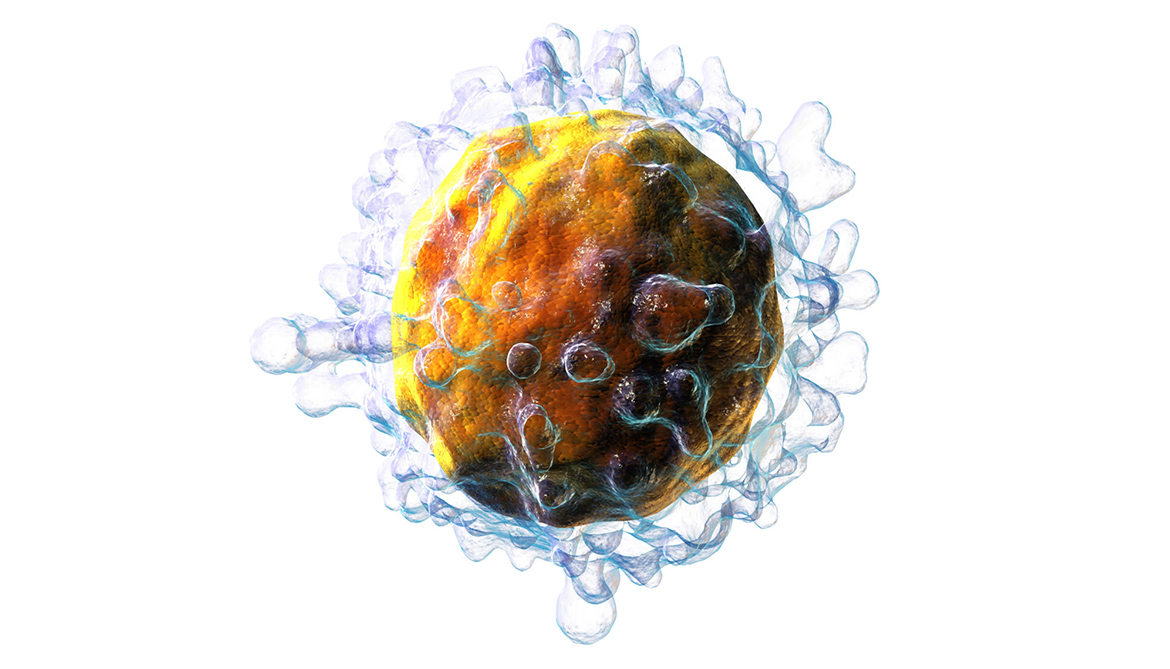
T cell
Whenever a virus or other pathogen enters our bodies, a certain class of immune cells—the T cells—jump into action, proliferating rapidly. With cells dividing every eight to twelve hours, it takes a few days to gather a strike force of cells in the hundreds of thousands: enough to overwhelm the infection. (Credit: Blausen.com/Wikimedia Commons)
Whenever a virus or other pathogen enters our bodies, a certain class of immune cells—the T cells—jump into action, proliferating rapidly.
One sub-class of these cells, the CD8+ T cells, eliminate the virus by killing cells it has infected. Other T cells, known as CD4+ T cells, coordinate the immune response to all kinds of pathogens. These are the generals in the immune system’s army.
But a week can pass before these T cells start to take their toll on a virus, because in the early stages of an infection too few T cells are able to recognize the specific pathogen.
Only once they have had “enemy contact” do these few “scout” cells begin to divide, forming “clones” of themselves. With cells dividing every eight to twelve hours, it takes a few days to gather a strike force of cells in the hundreds of thousands: enough to overwhelm the infection.
However, this immune response does not work if significant oxidative stress is damaging the T cells and depriving the body of the tools it needs to repair them, according to the new study published in the Journal of Experimental Medicine.
If the immune cells lack repair enzyme Gpx4 (or it is defective), the T cells die off as they divide, which means the immune system cannot eliminate the pathogen and the infection becomes chronic. This is the enzyme responsible for repairing oxidative damage to the cell membrane.


VITAMIN E TO THE RESCUE

When testing mice whose immune cells lacked the repair enzyme, researchers led by Manfred Kopf, a professor at ETH Zurich’s Institute of Molecular Health Sciences, were able to save the immune cells from cell death by mixing a high dose of vitamin E into the animals’ food.
That was enough antioxidant to protect the T cells’ cell membranes from damage, so they could multiply and successfully fend off the viral infection. At 500 milligrams per kilogram of mouse feed, this quantity of vitamin E was ten times higher than was present in the standardized normal food.
The researchers demonstrated this by way of a mouse model using animals in which the Gpx4 gene can be deactivated either cell-specifically or at a chosen point in time. These mice were developed by researchers at the Helmholtz Zentrum München. The ETH scientists then altered the mouse line so that the Gpx4 gene was inactive only in T cells or certain phagocytes.


CAN VITAMIN SUPPLEMENTS HELP?


“The benefit of vitamin tablets is a controversial topic,” says Kopf. With little scientific evidence as yet making a strong case for vitamin supplements, he felt their study was all the more interesting because it proved the effectiveness of vitamin E.Kopf considers it significant that immune cells suffer the same type of death as certain kinds of cancer cells when treated with a cytostatic drug, and judges this fact to be of scientific value. Known as ferroptosis, this type of programmed cell death was first described in a scientific publication in 2012.“Our work shows that even a genetic defect in a major part of a cell’s antioxidative machinery can be compensated for by delivering a high dose of vitamin E. That is new and surprising.”“We are the first to demonstrate that oxidative stress causes immune cells to suffer the same type of death as cancer cells,” he says.What Kopf isn’t yet sure of is what impact the results of their study will have on human health. He finds that people with a normal level of health and a balanced diet shouldn’t need vitamin supplements. But a supplement of vitamin E or other liposoluble antioxidants could well make sense in the event of oxidative stress, which can arise in everyday situations such as an infection or exposure to UV light.Patients with certain neurodegenerative diseases or diabetes suffer massive oxidative stress, and in these cases antioxidants could be a worthwhile addition to their treatment. How high the dose should be is something Kopf cannot say on the basis of the results of this study. It is not something they analyzed, given that the research was conducted using a mouse model.
Source: ETH Zurich

Thursday, March 19, 2015

How to prevent or manage spondylitis

How to prevent or manage spondylitis


Rajesh M (name changed), a mid-level executive in his 40s with a desk job, recently woke up with a catch in his back. He ignored it for a few days, particularly at work. He went to a doctor after 10 days and began medication but there was no improvement. Finally, he was found to have weakness in one leg and an X-ray revealed that he had advanced spondylitis. An MRI scan revealed a large disc prolapse compressing on a nerve. The doctors have advised surgery. They told him that he could have prevented surgery had he taken adequate precautions early on.

is an inflammation of the and is mainly an age-related ailment, though other factors such as physical inactivity, nutritional deficiencies and stress can also contribute to it. The symptoms of lower back and neck pain are common and, like many other diseases, spondylitis is on the rise. Earlier, it used to affect people in the 60-80 age group, but now we get more patients in the 30-50 age group.

Symptoms include pain, numbness and tingling and, in some cases, weakness of the limbs. Stress might make you feel the pain even more, enough to start affecting your activities. As one gets older, back and neck pain recurs repeatedly if one neglects it. With repeated unattended episodes, the body's natural healing capacity reduces and the risk of recurrence and persistence of pain increases.

Normally, one can wait for a few days before consulting a doctor. The exception is if you also feel a weakness in the limbs and incontinence of bladder or bowel, in which case you need to see a doctor immediately because that is the cry of a dying nerve. The earlier you release the pressure on the nerve, the better your chances of recovery.

Patients are put on anti-inflammatory medications to relax the muscles and soothe the nerves, and an X-ray is recommended if there is no improvement after two-three weeks. The treatment is changed according to the results. Normally, an MRI scan is only advised if there is no improvement even after six weeks.

QUICK TIPS
  • The spine consists of 33 bones and every two bones are connected with each other by three joints (bearings). For these joints, movement is life. So, the permanent solution is to keep all the spinal joints mobile daily through exercise. Yoga and swimming help.
  • At work, take breaks to keep moving. Get up and walk around. When sitting, do some stretches.
  • Yoga has been proven scientifically to be the best way to cure chronic back/neck pain. Iyengar yoga increases the flexibility of the spine, as well as reduces stress. Start on yoga once the pain subsides and practise it for the rest of your life.
  • Smoking is directly linked to back and neck pain because of its role in causing and accelerating disc degeneration. So, quit smoking.

Vidyadhara S
Head of department and consultant spine surgeon, Manipal Hospital, Bengaluru

The Article is Published in Business Standard  dated 20-03-2013

Saturday, December 4, 2010

The Truth About Hangover Cures

Myths About Your Hangover


Myths about hangovers are as varied and as fanciful as the cocktails that cause the dreaded syndrome. From eating pasta at bedtime to popping prickly pear pills, the list of supposed hangover cures warrants a closer look. Learn what works – and what hurts – as WebMD sorts through 12 common hangover myths.

MYTH: Hangovers Are No Big Deal


FACT: A hangover is the body’s reaction to being poisoned with too much alcohol. Heavy drinking rocks the central nervous system. It tinkers with brain chemicals -- leading to headache, dizziness, and nausea -- and sends you running to the bathroom so often you become dehydrated. The morning-after price of this imbalance can include a pounding headache, fatigue, cotton mouth, queasy stomach – and a weakened immune system

MYTH: Hangovers Are Gender-Blind


FACT: Use caution when enjoying those free drinks on Ladies’ Night. Given the same drinks, women are more likely to be slammed with the effects of alcohol than men. Scientists say there’s good reason for this. Men have a higher percentage of water in their bodies, which helps dilute the alcohol they consume. When women drink the same amount, more alcohol builds up in the bloodstream.

MYTH: Only Bingers Get Hangovers


FACT: While it’s true that binge drinking could speed your way to a hangover, you don’t have to get wasted to pay a price the next morning. Depending on your body composition, just a couple of drinks can trigger a headache and other hangover symptoms. Having water or a nonalcoholic drink between each beer or hard drink can help keep you hydrated and reduce the overall amount of alcohol you consume.

MYTH: Wine is the Gentlest Choice


FACT: Red wine contains tannins, compounds that are known to trigger headaches in some people. Malt liquors, like whisky, also tend to produce more severe hangovers. If you’re worried about how you’ll feel in the morning, the gentlest choices are beer and clear liquors, such as vodka and gin.

MYTH: Diet Cocktails Are a Safe Bet


FACT: Diet drinks may help if you’re counting calories, but not if you’re trying to avoid a hangover. Research suggests that consumption of fruits, fruit juices, or other sugar-containing liquids can decrease hangover intensity.

MYTH: Liquor Before Beer, Never Fear


FACT: It’s the amount of alcohol you consume – not the order of your drinks – that matters. That said, the order of your drinks may affect how much you consume. If you have a cosmopolitan, and then switch to beer for the rest of the night, you slow down your intake of alcohol. If you switch from beer to shots, you accelerate your path to drunkenness. Of course, too much liquor can spell “sicker”

MYTH: Eat Pasta Before Bed


FACT: This one is wrong on two counts. First, eating at bedtime (after you’re already drunk) is no help. Food has to be in your stomach before Happy Hour to have any impact. Second, while any food can slow the body’s absorption of alcohol, fat does it best. So go for steak or pizza before your first martini, and you might escape a hangover. One bedtime tip that does help – drink water to fight dehydration.

MYTH: Pop Pain Pills Before Bed


FACT: Over-the-counter painkillers peak in about four hours, so the effect of a bedtime dose will be gone by morning. A better plan is to take the pills when you first wake up. Avoid taking acetaminophen after a night of drinking. Alcohol disrupts how the liver processes acetaminophen, possibly leading to liver inflammation and permanent damage.

MYTH: Alcohol Helps You Sleep Well


FACT: Alcohol disrupts sleep. While a nightcap may help you doze off more quickly, it undermines the quality of your sleep. You don’t spend as much time in all-important REM cycles and you tend to wake up too soon. If you’ve been drinking heavily, a hangover might strike in the last part of the night, leaving you too uncomfortable to get back to sleep.

MYTH: A Wake-Up Cocktail is the Cure


FACT: More alcohol in the morning does nothing but postpone a hangover. The worst symptoms hit when blood-alcohol levels drop to zero. If you have a screwdriver at breakfast, this moment will just come later in the day. And if you find you can’t function without a wake-up cocktail, you should discuss the possibility of addiction with your doctor.

MYTH: Coffee is the Cure


FACT: Coffee leads to more dehydration and could make your hangover worse. After a night of drunkenness, it’s best to avoid anything with caffeine. Instead, sip water and sports drinks to counter dehydration and replace lost electrolytes. This is especially important if you experienced any vomiting.

MYTH: Herbal Remedies Can Help


FACT: British researchers reviewed the available studies on hangover pills, such as yeast and artichoke extract.They concluded that there is no compelling evidence of any effective treatment. Another British team found a supplement made from prickly pear cactus may reduce the nausea and dry mouth associated with hangovers, but not the dreaded headache. The only proven cure is time.

NO MYTH: Alcohol Poisoning


FACT: Alcohol poisoning is a potentially deadly medical emergency. If you see someone vomit multiple times or pass out after drinking heavily, a visit to the nearest emergency room is in order. It’s easy to blow off these symptoms as the price of partying hard, but there’s a danger of shock or, in the case of vomiting, becoming severely dehydrated.

As reported by: http://www.webmd.com/balance/slideshow-hangover-myths

Saturday, October 9, 2010

10 tips for a healthy heart

A strong heart is a result of healthy lifestyle choices. Be active and stress-free 

Today's fast-paced life and workplace pressures escalate stress levels, taking a toll on one's heart. We must realise that the healing power of the body decreases when under stress, leading to many complications like hypertension and poor immunity. Today, even youngsters are prone to heart ailments. So, it's very important to stay healthy and manage your stress levels by understanding the risk factors — high cholesterol levels, stressful lifestyle, smoking, and lack of exercise — following simple changes in lifestyle. 

Avoid smoking
Smoking reduces life expectancy by 15-25 years. If you are a smoker, you are twice more likely to have a heart attack than a non-smoker. The moment you stop smoking, the risk of heart attack begins to reduce. 

Cut down on salt
Too much salt can cause high blood pressure, which increases the risk of developing coronary heart disease. 

Watch your diet
Try to have a balanced diet. Eat fresh fruits and vegetables, starch foods such as wholegrain bread and rice. 

Monitor your alcohol
Too much alcohol can damage the heart muscle, increase blood pressure and also lead to weight gain. Avoid intake of alcohol or at least limit it to one to two units a day, gradually decreasing the consumption. 

Get active 
At least aim for 30 minutes of moderate exercise a day. Keeping yourself fit not only benefits the heart but also improves mental health and well-being. 

Monitor your BP, blood sugar and cholesterol levels 
Routine medical check-ups will ring an alarm, if you need medical help. 

Manage your waist 
Cholesterol deposition in blood vessels begins in the first decade of life. Carrying a lot of extra weight as fat can greatly affect your health. Make small but healthy changes in your diet. 

Manage your stress level 
If you find things are getting on top of you, you may fail to eat properly, smoke and drink too much. This may increase your risk of a heart attack. Practice yoga/meditation. Take a vacation. 

Check your family history 
If a close relative is at risk of developing coronary heart disease from smoking, high BP, high cholesterol, lack of physical activity, obesity and diabetes, then you could be at risk too. 

Laughter is the best therapy 
Laughter anytime will work wonders for you. It is an instant way to unleash the pressure and it makes you feel light. 

(Inputs by Dr Kushagra Katariya, chief cardiothoracic surgeon, Artemis Health Institute, Gurgaon) 


Read more: 10 tips for a healthy heart - The Times of India http://timesofindia.indiatimes.com/life-style/health-fitness/health/10-tips-for-a-healthy-heart/articleshow/6629830.cms#ixzz11qLgSngQ

Tuesday, September 14, 2010

9 Foods You Should Be Eating

As compiled by forbes.com
To put together our list of foods folks should be eating, but aren't, we checked in with Jonny Bowden, a California-based nutritionist and author of seven books, including The 150 Most Effective Ways to Boost Your Energy. Bowden says Americans should avoid taking their cues from the USDA's food pyramid, which he dismisses as the product of interest-group politics. Instead he favors a Mediterranean-style diet rich with fruits, vegetables, fish, whole grains, and olive and nut oils, focusing on the following 10 foods in particular.

9 Foods You Should Be Eating.........With Pictures

Cherries

Nutritionist Jonny Bowden notes that cherries are packed with anti-inflammatory properties. They contain antioxidants, thought to help the body protect against the damaging effects of free radicals and the chronic diseases associated with the aging process.

Blueberries

Like cherries, blueberries contain antioxidants found to promote heart health. A 2009 study showed that rats fed blueberries lost belly fat, the kind of fat linked to diabetes and heart disease.

Kiwifruit

This tart little green fruit, with its soft, hairy skin and seeds you can swallow, is chock full of vitamin C--a whopping 115% of what you need to eat in a day. It's also low in calories--just 45 per fruit sans skin.

Grass-Fed Beef


Unlike mass-produced cows raised in feedlots, free-range cows nibble grass and avoid the ravages of hormones, steroids and antibiotics. Grass-fed beef is full of omega-3 fatty acids. Bowden says beef's bad rap comes from highly processed varieties like McDonald's hamburgers and ballpark franks. "Grass-fed beef is a whole different animal," notes Bowden

Wild Salmon


Even more so than grass-fed beef, wild salmon is packed with omega-3 fatty acids, associated with heart and brain health, and with bringing down blood pressure and triglycerides, a risk factor for heart disease. Omega-3s have also been found to improve mood and reduce inflammation.

Flax Seed

Also a tremendous source of omega-3 fatty acids, flax seed has been shown to contain powerful anti-cancer compounds called lignans. Flax is also a great source of fiber, which enhances digestion. Try throwing it into your next smoothie or sprinkling on a salad.

Whey Protein Powder

Little Miss Muffett knew what she was doing when she ate her curds and whey. A run-off of the cheese-making process, whey in powder form can be a great source of protein. It's also been shown to stimulate the immune system. So get off your tuffett and try sprinkling some in your next smoothie.

Kale

A member of the cabbage family, which Bowden dubs "vegetable royalty," kale contains indoles, a compound found to fight cancer. Kale is also full of sulforaphane, another cancer-prevention agent. Plus, Kale contains calcium, iron and vitamins A, C and K, and two nutrients that are great for the eyes, including zeaxanthin.

Dark Chocolate

Rich with a phytochemical called flavanol, found by a 2005 study in the Journal of the American College of Cardiology to improve cardiovascular health. Look for chocolate with at least 60% cocoa content.

Wednesday, September 1, 2010

Exercise 'makes you feel full'

 Image Courtesy
                                                                                

Washington, Aug 25 (ANI): Brazilian researchers have discovered that exercise not only helps you shed kilos by burning calories but also makes you feel full by triggering neurons in the brain.Researchers at the University of Campinas Exercise say that exercise restores the sensitivity of neurons involved in the control of satiety (feeling full), which in turn contributes to reduced food intake and consequently weight loss.
The increase in obesity has become one of the most important clinical-epidemiological phenomena. Factors such as changing eating habits and a sedentary lifestyle both have a role in the pathogenesis of this disease.
It is postulated that excessive consumption of fat creates failures in the signal transmitted by neurons controlling satiety in a region of the brain called the hypothalamus. These failures can lead to uncontrollable food intake and, consequently, obesity.The group led by Jose Barreto C. Carvalheira demonstrated that exercising obese rodents showed signals of restored satiety in hypothalamic neurons and decreased food intake."In obese animals, exercise increased IL-6 and IL-10 protein levels in the hypothalamus, and these molecules were crucial for increasing the sensitivity of the most important hormones, insulin and leptin, which control appetite," Carvalheira said.Physical activity contributes to the prevention and treatment of obesity, not only by increasing energy expenditure but also by modulating the signals of satiety and reducing food intake.
Physical activity has always been considered a cornerstone in the treatment of obesity, however, only now have the effects of exercise on the control of body weight been understood.Thus, these findings, besides reinforcing the necessity for regular exercise also change the current paradigm established between physical activity and weight loss.The study will be published next week in the online, open access journal PLoS Biology. (ANI)